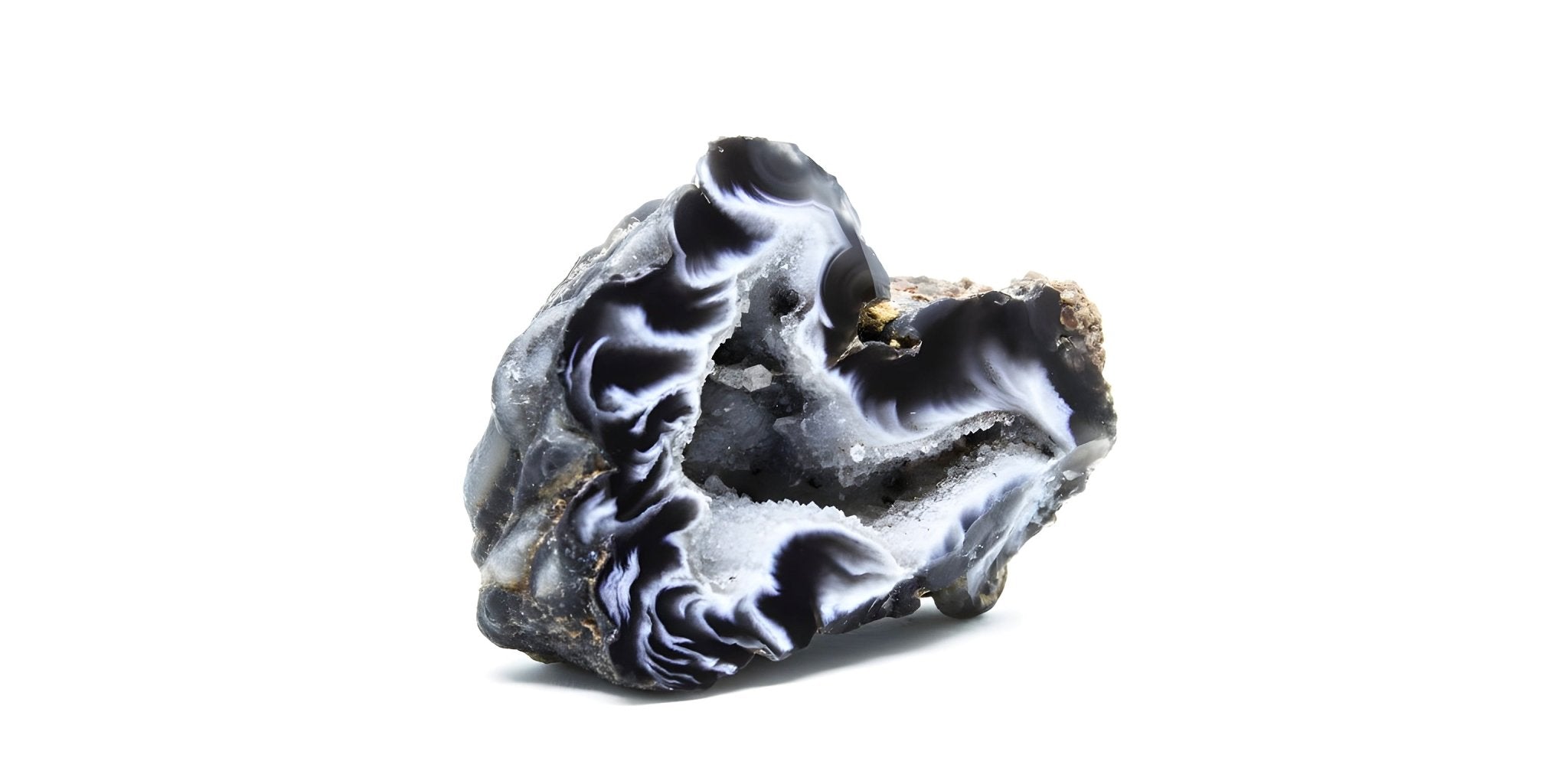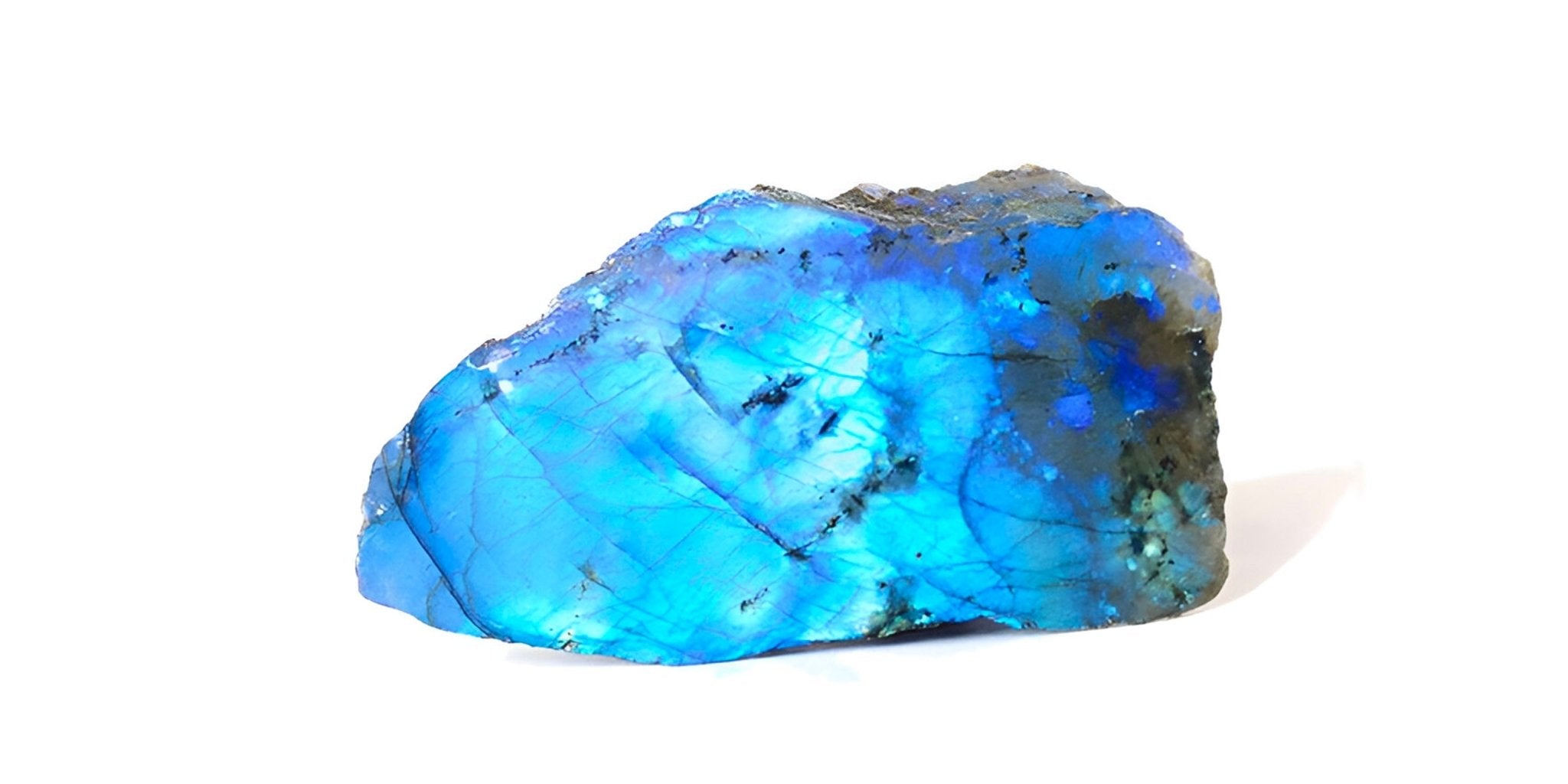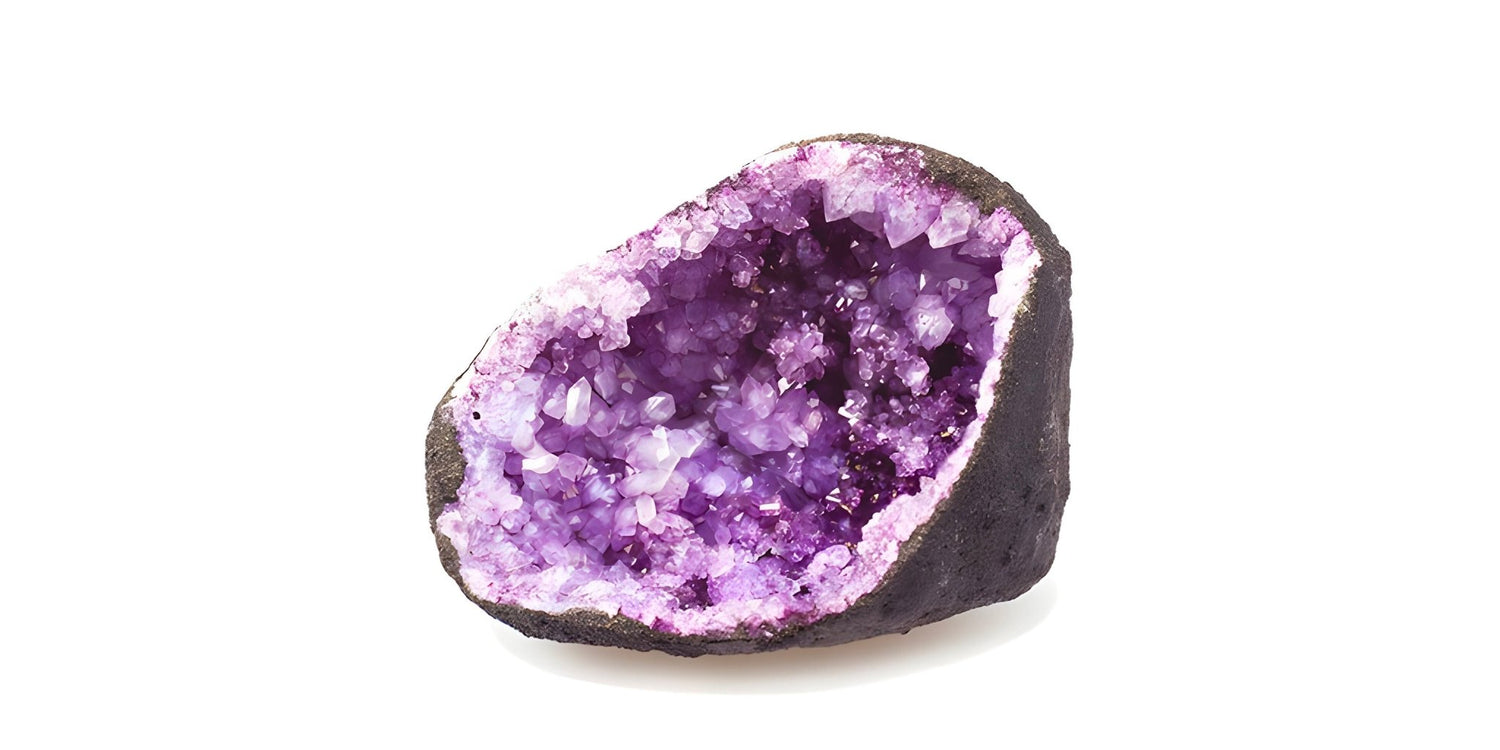
Amethyst Stone Identity Card
- Origin of the name: The name "onyx" comes from the Greek word "onux," which means "nail" or "claw." Legend has it that Cupid cut the divine nails of Venus with an arrow while she slept, and the gods transformed these nails into onyx stone so that a part of the divine body would remain eternal on Earth.
- Group: Onyx belongs to the chalcedony family, which is a type of siliceous quartz.
- Chemical Composition: The chemical formula of onyx is SiO₂ (silicon dioxide), with possible inclusions of iron oxides and other minerals that create its characteristic color bands.
- Crystal System: Onyx crystallizes in the trigonal crystal system. It is mainly formed by the accumulation of layers of chalcedony alternating with microcrystalline quartz.
- Hardness: Onyx has a hardness of 6 to 7 on the Mohs scale, making it relatively resistant to scratches and scuffs.
- Deposits: Onyx deposits are found in various parts of the world, notably in Brazil, India, Madagascar, Mexico, Uruguay, and the United States.
- Color(s): Although traditionally known for its black color or black with white bands, onyx can also display layers of red, brown, white, and gray.
- Chakras: In certain traditions, onyx is often associated with the root chakra and is believed to symbolize grounding and focus.
Where does the name Amethyst come from?
Etymological Origins
The name "amethyst" finds its origins in Greek mythology and etymology. Derived from the Greek word "amethystos," meaning "not intoxicated" or "sober," amethyst has long been associated with the belief in its ability to protect against drunkenness. This belief is deeply rooted in ancient legends and stories, reflecting the value and importance that past cultures attributed to this precious stone.
Ancient Legends
According to a Greek legend, Dionysus, the god of wine and excess, angry at a mortal, decided to take revenge by creating tigers to pursue the first person he would meet. This person was a young girl named Amethyst, who was on her way to pay homage to the goddess Artemis. Artemis, to save her, transformed her into a statue of pure white quartz. Dionysus, repentant and in tears, poured wine over the statue, which absorbed the purple color of the wine, thus creating amethyst.
This story not only illustrates the mythological origin of the name but also highlights the association of the stone with sobriety and protection. It sheds light on the ancient belief that wearing an amethyst was supposed to prevent drunkenness and symbolize clarity of mind.
Symbolism and Historical Uses
The link between amethyst and sobriety extends beyond mere legend. In antiquity, both Greeks and Romans often wore amethyst amulets or drank from goblets decorated with this stone, firmly believing it would protect them from the harmful effects of alcohol. This practice was so widespread that even today, amethyst symbolizes sobriety and temperance.
In the Middle Ages, amethyst acquired a deeper spiritual significance, becoming a stone of importance in the Christian Church. Bishops frequently wore rings adorned with amethyst, the stone symbolizing piety, humility, and spirituality. This reflected the belief that amethyst could symbolize clarity of spiritual mind, helping wearers remain free from earthly thoughts and temptations.
Amethyst Today
Today, amethyst continues to be a highly prized gemstone, not only for its beauty but also for its symbolic associations with clarity, sobriety, and protection. It is used in jewelry, decoration, and spiritual practices. The legends and beliefs surrounding amethyst enrich its history, transforming each stone not only into an object of natural beauty but also into a symbol carrying deep and ancient meanings.
In short, the name "amethyst" is a legacy of ancient beliefs and practices, a word that encapsulates centuries of legends, spirituality, and magic. This stone remains a tangible link to the past, a window into the beliefs and values of the civilizations that revered it.
What is the history of the Amethyst stone?
Origins and Etymology
Amethyst, with its captivating violet hue, is one of the most revered gemstones throughout history. Its name, derived from the Greek word "amethystos," meaning "not intoxicated," evokes ancient legends linked to sobriety and clairvoyance. This etymology reveals one of the earliest and most enduring beliefs associated with amethyst: its ability to protect against drunkenness and symbolize clarity.
Mythological Legends
Greek mythology is full of stories illustrating the divine origin of amethyst. One legend tells that Dionysus, the god of wine, intoxication, and theater, angered by a human insult, decided to take revenge by killing the first mortal he encountered. A young maiden named Amethyst, on her way to worship the goddess Artemis, was the unfortunate one. To save her, Artemis transformed her into a statue of pure crystal. Dionysus, moved by the girl's beauty and piety, poured wine over the statue, thus tinting the crystal purple. This story illustrates the duality of amethyst: a stone of sobriety born from excess.
Symbolism Through the Ages
Over the centuries, amethyst has acquired a profound spiritual significance. In ancient Egypt, it was used in amulets and talismans to symbolize protection against danger. The Egyptians also believed that amethyst helped to soften emotions.
In medieval Europe, amethyst became a symbol of royalty and piety. It adorned crowns, scepters, and ecclesiastical jewelry, symbolizing the divine connection. Christian bishops often wore amethyst rings, believed to symbolize chastity and ward off earthly thoughts. This stone was also thought to protect soldiers and help hunters capture their prey.
Amethyst in Modern Cultures
In contemporary times, amethyst continues to fascinate, not only for its natural beauty but also for its symbolic associations. It is considered a stone of meditation and calm, capable of soothing the mind. Amethyst is also associated with the higher chakras, believed to facilitate spiritual communication and the opening of consciousness.
Natural Reserves and Extraction
The main amethyst deposits are found in Brazil, Uruguay, Russia, and Africa. Amethyst mining dates back thousands of years, but it was from the 17th century, with the discovery of rich deposits in Brazil, that its availability increased, making the stone accessible to a wider audience. Extraction methods have evolved, but the respect for this stone and its beauty remains unchanged.
A Stone of Mystery and Beauty
The history of amethyst is woven with myths, spirituality, and royalty. Each era and culture has contributed to enriching the story of this gemstone, attributing meanings to it that transcend its physical appearance. Amethyst, more than just a gem, is a bridge between the past and the present, offering a window into the beliefs and values of vanished civilizations while continuing to influence contemporary spiritual and aesthetic practices.
What is the origin and composition of the Amethyst stone?
Amethyst, with its captivating purple hue, is one of the most prized gemstones worldwide. Its color, ranging from soft lilac to deep violet, has captivated humanity since Antiquity. But beyond its beauty, the origin and chemical composition of amethyst reveal a fascinating geological journey.
Geological Origin
Amethyst belongs to the quartz family, one of the most abundant minerals in the Earth's crust. It forms in the cavities of igneous rocks, where hydrothermal solutions rich in silica crystallize under the effect of temperature and pressure. These cavities, or geodes, provide the necessary space for amethyst crystals to grow in size and beauty.
The formation of amethyst can take millions of years, a slow process during which the temperature, pressure, and chemical composition of the parent solution vary, influencing the color and quality of the crystals formed. The largest amethyst deposits are found in Brazil, Uruguay, Russia, and Africa, where particular geological conditions have favored the formation of this precious stone.
Chemical Composition
The chemical formula of amethyst is SiO₂, identical to that of clear quartz. What distinguishes amethyst and gives it its characteristic color is the presence of traces of iron (Fe³⁺) and, in some cases, other trace elements such as manganese. When quartz is exposed to ionizing radiation, these trace elements interact with silicon and oxygen to produce the range of purples characteristic of amethyst.
Influence of Temperature
A fascinating aspect of amethyst's composition is its sensitivity to temperature. At temperatures above approximately 300-400°C, amethyst can lose its purple color and become yellow or colorless, a phenomenon that has led to the creation of certain varieties of artificially heated quartz to imitate other gemstones.
Varieties and Characteristics
In addition to its main color, amethyst can display variations such as ametrine, a bicolored stone that blends purple amethyst and yellow citrine, due to the differential distribution of temperatures and chemical elements during crystal formation. This diversity adds to the value and appeal of amethyst as a gemstone.
A Jewel of Nature
The origin and composition of amethyst tell the story of a millennia-old transformation, from the depths of the earth to the brilliance of jewelry stores. The unique combination of geological conditions required for its formation makes each stone a testament to the natural history of our planet. More than just a gem, amethyst embodies the beauty and mystery of earthly creation, making it a precious stone both for its splendor and for the window it opens onto the geological past of the Earth.
How to care for your Amethyst stone jewelry?
Amethyst jewelry, with its captivating violet brilliance, is not only an exquisite fashion accessory but also a talisman of serenity and elegance. To preserve their beauty, special care is essential. Here is how to care for your amethyst jewelry, along with an invitation to discover our collections of bracelets for women and men, which combine aesthetics and symbolism.
Cleaning Amethyst
Gentleness and Caution
Amethyst, although a relatively hard stone, can be damaged by chemicals or extreme temperatures. To clean your amethyst jewelry, use lukewarm soapy water and a soft brush. Avoid abrasive cleaners that could scratch the surface of the stone.
Drying and Polishing
After cleaning, carefully dry your jewelry with a soft cloth to prevent any water buildup that could seep into the settings. For extra shine, you can gently polish the stone with a microfiber cloth.
Recharging and Care
Solar and Lunar Energy
Exposure to natural light can recharge your amethyst and renew its energies. However, avoid prolonged exposure to direct sunlight, which can dull the color of the stone. Moonlight, especially during a full moon, is ideal for gentle recharging.
Natural Methods
You can also cleanse your amethyst by placing it on a cluster of quartz or submerging it in sea water. These natural methods help cleanse the stone of unwanted influences and restore its natural balance.
Proper Storage
Scratch Protection
Keep your amethyst jewelry in a soft case or individual pouch to protect them from scratches. Gemstones can scratch each other, so it is important to separate or wrap them individually.
Protected from Humidity
Humidity can damage your amethyst jewelry over time. Be sure to store them in a dry place, away from moisture and temperature fluctuations.
Discover Our Collection
Amethyst Stone Bracelets for Women
Our collection of amethyst bracelets for women is designed to combine elegance and symbolism. Each piece is selected for its quality and beauty, offering a touch of refinement to your daily life.
Amethyst Stone Bracelets for Men
Explore our range of amethyst bracelets for men, perfect for those seeking both style and substance. Our bracelets are designed to accompany the modern man in his quest for balance and inner strength.
The information presented in this article is provided for cultural and informational purposes only, with reference to the traditions and beliefs associated with stones. It does not constitute medical advice, a diagnosis, or a promise of results. Our bracelets are fashion jewelry and are not health devices. If you have a health problem, please consult a qualified healthcare professional.