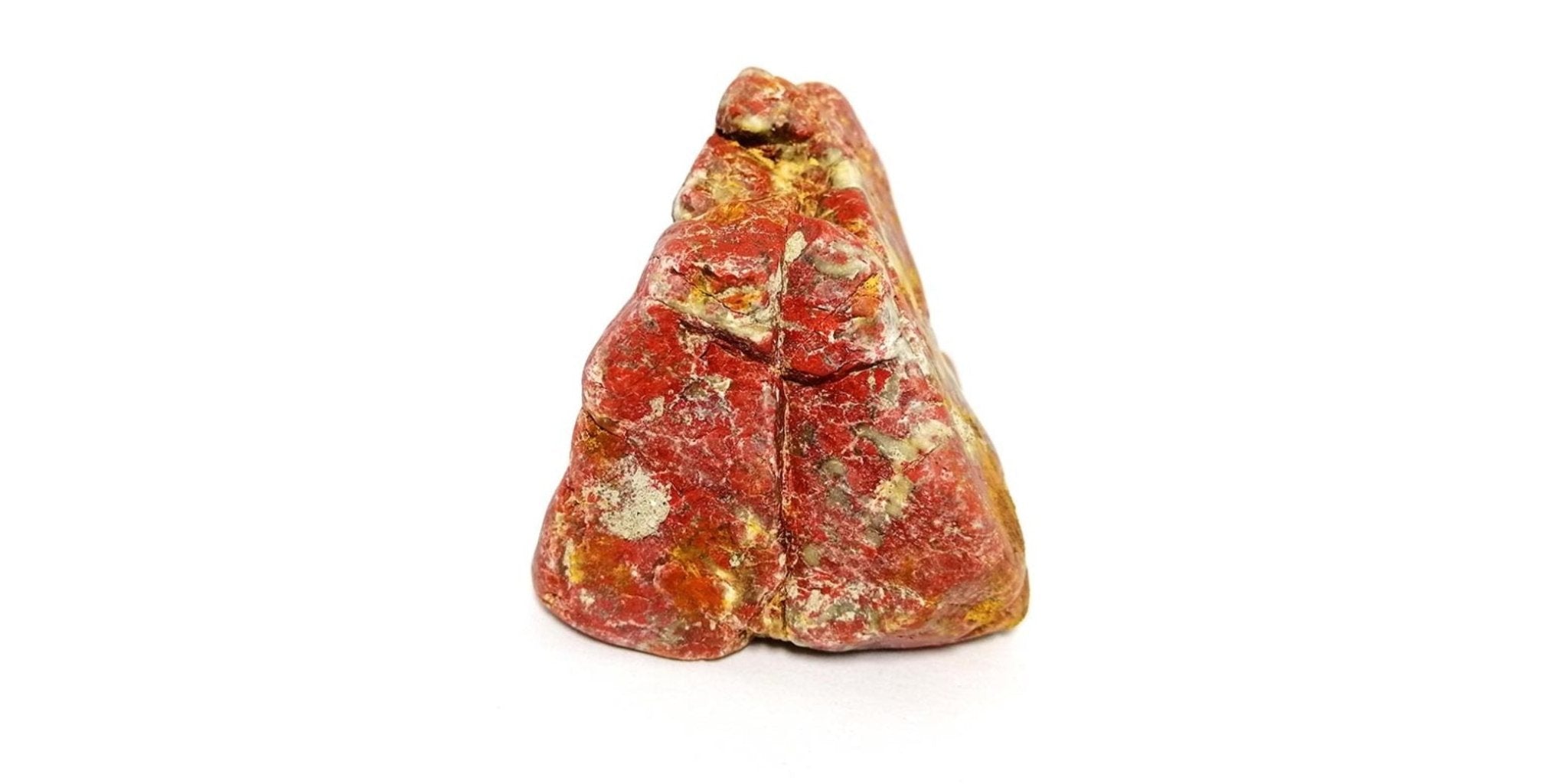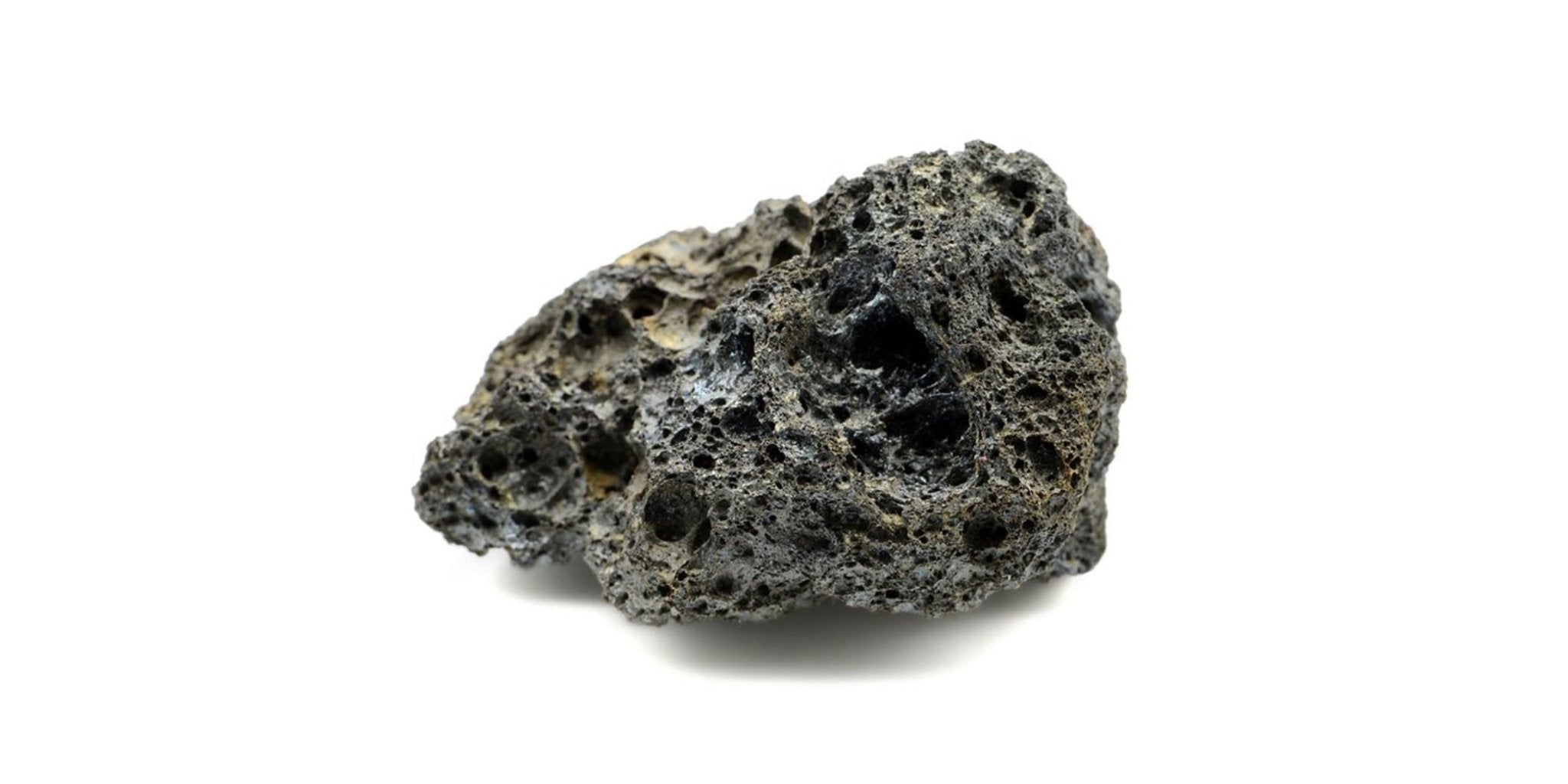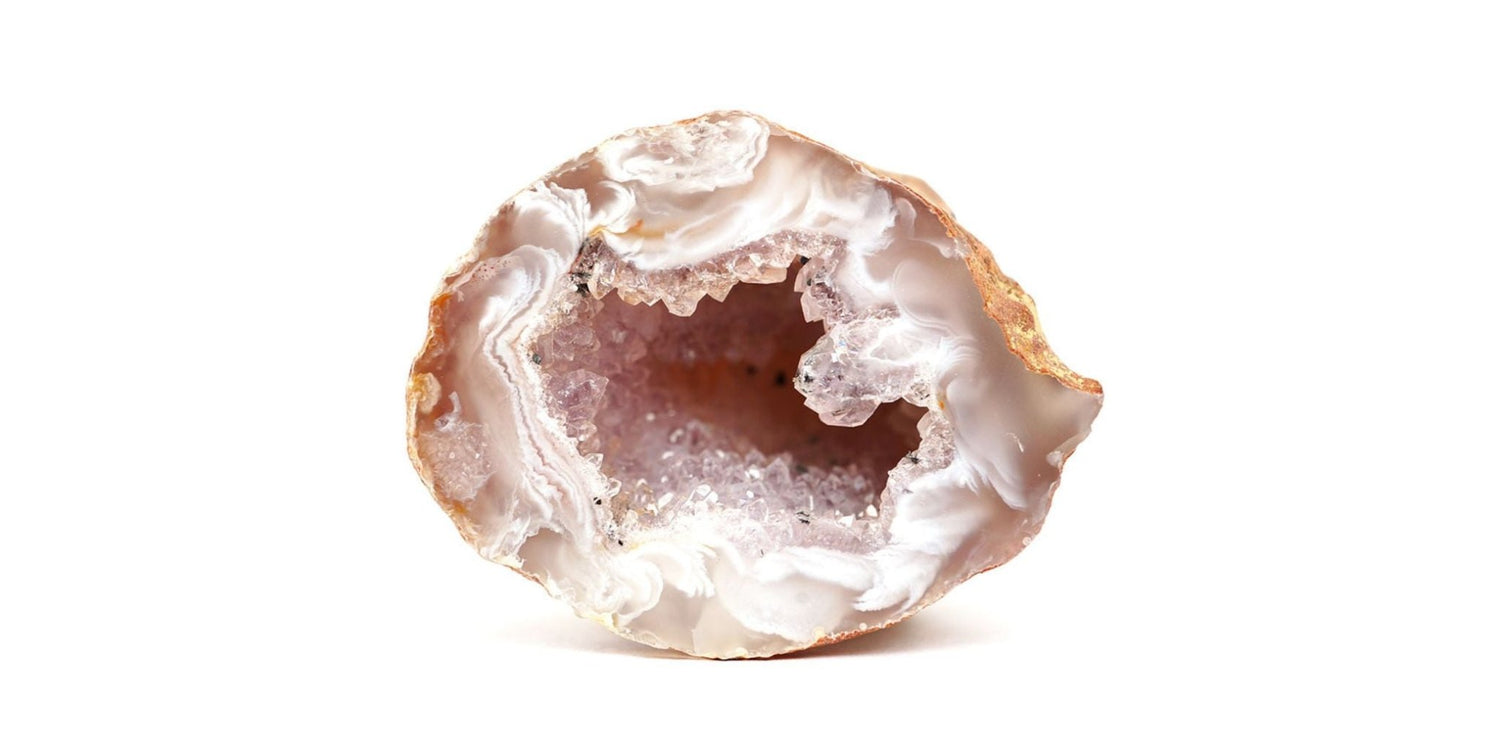
Agate Stone Identity Card
- Name Origin: The name "agate" comes from the Greek "achates," the name of a river in Sicily where this stone was found in abundance in antiquity.
- Group: Agate belongs to the microcrystalline quartz group.
- Chemical Composition: The chemical composition of agate is primarily SiO₂ (silicon dioxide).
- Crystal System: Agate has a rhombohedral (trigonal) crystal system.
- Hardness: The hardness of agate ranges from 6.5 to 7 on the Mohs scale.
- Deposits: The main agate deposits are found in Brazil, Uruguay, India, Madagascar, Mexico, and the United States.
- Color(s): Agate displays a wide range of colors, including blue, red, green, yellow, white, gray, and black, often with banded patterns.
- Chakras: In spiritual traditions, the different colors of agate are often associated with different chakras: blue agate with the throat chakra, red agate with the root chakra, and green agate with the heart chakra.
Where does the name Agate come from?
The Achates River
The name "agate" has its roots in ancient Greece, deriving from the word "achates." This term refers to a river in Sicily, now known as the Dirillo. In this region, the ancient Greeks discovered abundant deposits of this precious stone. The Achates River thus played a crucial role in giving agate its name. The ancients extracted this stone from the river, and its geographical association became so strong that the name endured. This connection shows how geography influenced the nomenclature of minerals.
Use and Symbolism in Antiquity
Agate has a long history of use and symbolism. Early civilizations, such as the Sumerians, used agate to create cylinder seals, jewelry, and amulets, attributing protective symbolism to it. The Egyptians, Greeks, and Romans also incorporated agate into their cultures, using this stone for decorative and ritual objects. The Romans, in particular, excelled in engraving cameos and intaglios in agate, objects symbolizing authority and social status. In India, agate was traditionally used in ancient practices, where it was believed to symbolically support the quest for inner peace.
Etymological Evolution and Cultural Diffusion
The term "agate" has evolved over time, reflecting the linguistic and cultural influences of different civilizations. The Greek word "achates" became "agata" in Latin, before becoming "agate" in modern languages such as English and French. This linguistic evolution shows the spread and adaptation of the stone through the ages and cultures. The Romans contributed to the popularization of agate, and its use extended to regions such as ancient China, where it was also highly valued. The legends and beliefs surrounding agate thus traveled with it, perpetuating its legacy through the centuries.
What is the history of the Agate stone?
The Origins of Agate
The history of agate dates back several thousand years. It takes its name from the Achates River in Sicily (now called Dirillo), where the ancient Greeks discovered this precious stone. The earliest traces of agate use go back to the Sumerian civilization, around 3000 BCE. The Sumerians used this stone to create cylinder seals, amulets, and jewelry. This stone was prized not only for its beauty but also for its protective symbolism in the beliefs of the time.
Use and Symbolism Across Civilizations
The ancient Egyptians also used agate, incorporating it into various adornments and religious rituals. They believed that this stone symbolized protection for its wearer against life's uncertainties. The Greeks and Romans continued this tradition, using agate in jewelry, cameos, and intaglios. The Romans, in particular, excelled in engraving agate, creating detailed and intricate works of art. They believed that agate could make a person invincible and protected from danger. In India, agate was integrated into ancient traditions, often seen as a symbol of calm and inner peace.
The Spread of Agate Around the World
Over time, the use of agate spread beyond the Mediterranean basin. It became popular in various cultures around the world. In ancient China, agate was highly prized for its beauty and protective symbolism. The Chinese used this stone to create works of art and ornaments. In medieval Europe, agate was often used to make pieces of armor, knife handles, and religious objects. Explorers and merchants played a crucial role in the spread of agate, transporting it from one continent to another and contributing to its worldwide popularity.
Agate in Modern Times
Today, agate continues to be a highly prized gemstone. It is used in the making of jewelry, decorative objects, and even scientific instruments. Modern cutting and polishing techniques highlight the beautiful natural patterns and colors of agate. Collectors and mineral enthusiasts particularly appreciate agate specimens for their diversity and unique beauty. Agate is also valued by those passionate about mineral traditions, who enjoy exploring the myths and symbolism of harmony historically associated with it.
What is the origin and composition of the Agate stone?
Origin of Agate Stone
Historical Origin
The name "agate" comes from the Greek word "achates," referring to a river in Sicily, now called Dirillo. Discovered as early as 3000 BCE, agate was used by the Sumerians to make seals, amulets, and jewelry. The Egyptians, Greeks, and Romans also adopted it, appreciating its decorative qualities and protective symbolism.
Spread Across Civilizations
Agate traveled from Sicily to Egypt, then to Greece and Rome. The Romans perfected the art of engraving agate, creating cameos and intaglios. Its popularity then spread to China and medieval Europe, where it adorned armor and religious objects.
Formation and Deposits
Formation Process
Agate forms in volcanic and metamorphic rocks through the precipitation of silica-rich solutions in rock cavities. These solutions create layers of microcrystalline quartz, giving rise to the characteristic banded patterns of agate.
Main Deposits
The largest agate producers are Brazil, Uruguay, India, Madagascar, Mexico, and the United States. Each region produces unique agates influenced by local geological conditions, with variations in colors and patterns.
Chemical Composition and Properties
Chemical Composition
Agate is primarily composed of silicon dioxide (SiO₂). It may contain inclusions of other minerals such as hematite and iron, which affect its colors and patterns.
Physical Properties
With a hardness of 6.5 to 7 on the Mohs scale, agate is hard and durable. It has a conchoidal fracture and a vitreous to silky luster, making it ideal for jewelry and decorative objects.
Varieties of Agate
Agate exists in several varieties, such as moss agate (with green inclusions) and fire agate (with colorful iridescence). Each offers unique visual characteristics, increasing its popularity among collectors and mineral enthusiasts.
What is the symbolism of Agate stone?
The Symbolism of Vitality of Agate Stone
An Image of Natural Strength
In ancient beliefs, agate was often associated with vitality and the strength of nature. Popular traditions attributed to it the symbolism of support in daily life. Today, it is appreciated for its natural beauty and worn as an aesthetic reminder of resilience and vitality.
An Evocation of Gentleness
Agate stone is also known in traditional stories for evoking gentleness and comfort. According to ancient myths, it symbolized support during difficult times. Wearing agate jewelry today is an elegant way to surround yourself with a natural material in soft, inspiring shades.
A Symbol of Balance
Historically, agate has been associated with the idea of overall balance in various cultures. The ancients considered it a representation of natural harmony. By wearing agate, one celebrates this rich cultural history while enjoying a timeless fashion accessory.
The Emotional Symbolism of Agate Stone
A Representation of Serenity
In lithic tradition, agate is often seen as a symbol of serenity. Legends say it inspired peace of mind in those who wore it. People who appreciate natural stones like to see agate as a poetic evocation of calm. The stone is often chosen for its soft visual appearance, reminiscent of the tranquil beauty of nature.
An Inspiration for Confidence
Agate is also renowned in folk tales for symbolizing self-confidence and inner strength. It traditionally represents courage in the face of challenges. By wearing agate, many people like to remember these beautiful symbolic meanings, making the jewelry a personal and aesthetic talisman.
An Allegory of Clarity
According to ancient beliefs, agate was a symbol of clarity of mind. It was often given as an emblem of wisdom and reflection. Today, its regular patterns and deep colors make it a fascinating piece of jewelry to observe, inviting aesthetic contemplation.
Agate in Everyday Life
Jewelry and Accessories
Wearing agate jewelry, such as bracelets, necklaces, or rings, is a popular way to showcase the beauty of this stone. Jewelry allows you to accessorize your outfits with elegance, while wearing a piece of natural history.
Contemplation and Aesthetics
Agate is often appreciated during moments of calm for the beauty of its patterns. Observing an agate stone can be a relaxing visual experience. In some traditions, it is used as a symbolic object to accompany moments of personal reflection.
Interior Decoration
Agate is also highly valued as an interior decoration element for its visual appeal. Geodes, agate slices, or decorative agate objects can be placed in the home or office to bring a natural and elegant touch to your space.
How to care for your Agate stone jewelry?
How to Care for Your Agate Stone Jewelry
Regular Cleaning
To preserve the beauty and shine of your agate jewelry, regular cleaning is essential. Use lukewarm water and a mild soap to remove accumulated dirt and oils. Avoid harsh chemicals that could damage the surface of the stone. After washing, rinse your jewelry thoroughly with clear water and dry them with a soft, lint-free cloth.
Avoid Prolonged Sun Exposure
Prolonged exposure to sunlight can alter the color of agate. To prevent this, keep your jewelry out of direct sunlight when you are not wearing it. Store them in a dark, cool place, preferably in a fabric-lined jewelry box or a velvet pouch.
Proper Storage
To avoid scratches and other damage, store your agate jewelry separately from other pieces. Use individual compartments in a jewelry box or wrap each piece in a soft cloth. This will prevent the stones from rubbing against each other or against hard metals.
Precautions to Take
Avoid Chemicals
The chemicals found in perfumes, hair sprays, and cleaning products can damage agate. It is therefore recommended to remove your agate jewelry before using these products. Apply beauty products before putting on your jewelry to minimize exposure to potentially harmful substances.
Physical and Household Activities
To protect your agate jewelry, remove it before exercising, swimming, or doing household chores. Shocks and friction can cause cracks or chips in the stone. In addition, chlorinated pool water can dull the shine of agate.
Symbolic Care of Agate
Exposure to Moonlight
In popular traditions, it is often customary to expose agate to moonlight to honor its natural symbolism. Moonlight is considered ideal for this. Place your agate jewelry on a windowsill during a full moon night to continue this symbolic ritual. The gentle light of the moon will enhance the stone without risk of discoloration.
Cleaning with Water or Earth
According to ancient beliefs, running agate under water or burying it in the earth was thought to connect it to its original elements. You can reproduce these traditional gestures to care for your stone. Be sure to rinse and dry your jewelry thoroughly after passing it under water.
Discover Our Agate Stone Bracelet Collections
To further explore the beauty and elegance of agate, discover our exclusive collection of bracelets for women and men. We offer a variety of styles and designs to suit every taste.
Our bracelets are crafted with care and attention to ensure the highest quality and elegance. Whether for yourself or as a gift, our agate bracelets are the perfect choice to combine style and aesthetics.
The information presented in this article is provided for cultural and informational purposes, referencing the traditions and beliefs associated with stones. It does not constitute medical advice, a diagnosis, or a promise of results. Our bracelets are fashion jewelry and are not health devices. If you have a health problem, please consult a qualified healthcare professional.